Human Skills, Part 1: Communication
In the early days of Trio, I would sit across from a client and hold back because I was afraid of saying something incorrectly or asking the wrong question. My English made it hard for people to understand me, and that made it harder to find out whether I understood them.
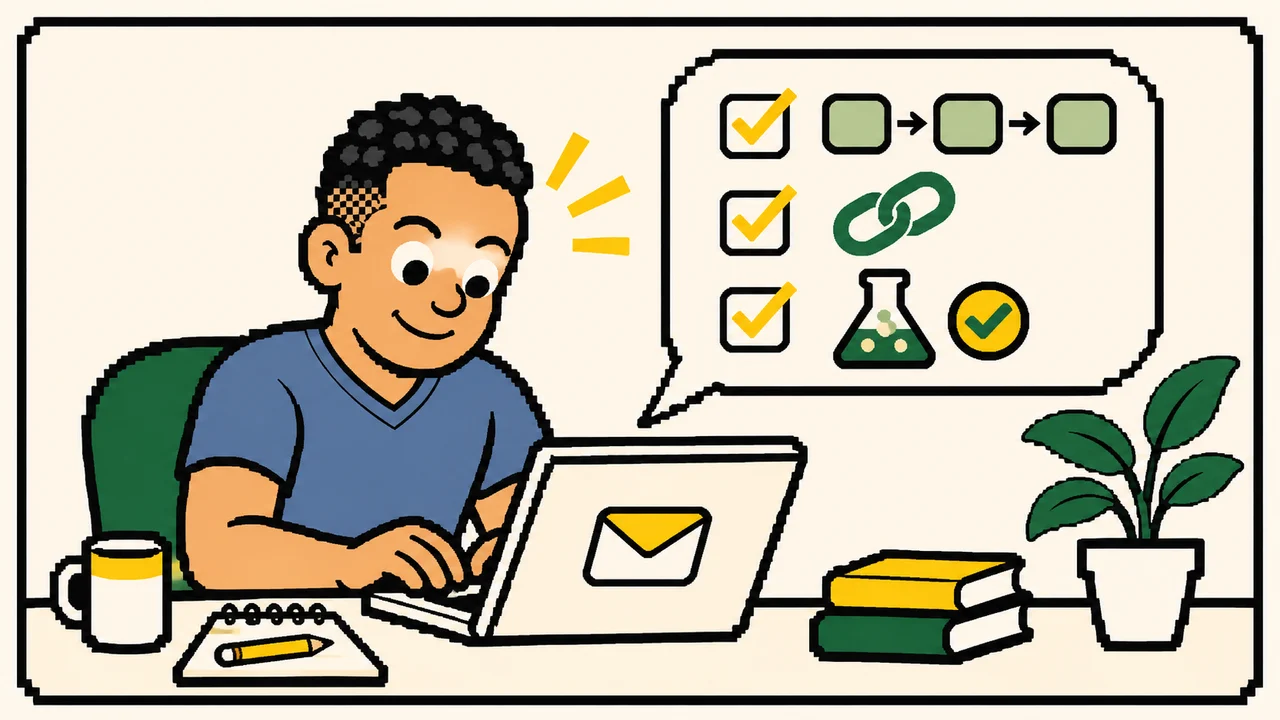
One thing that helped was what I did after the meeting. I wrote down what we had talked about and sent the client an email explaining what I had understood. Then I asked them to confirm it, correct anything I had missed, or add information we hadn’t covered.
The useful part was giving the client something specific to check. During a conversation, I could leave with an idea of what they meant without knowing whether I had it right. In the email, they could read my understanding in my own words and tell me where it was wrong. If I had missed something, they had a chance to explain it before I went ahead with the work.
That is how the email helped us communicate more clearly. My English hadn’t suddenly become perfect, but I had made my understanding visible instead of leaving the client to guess what I had taken from the meeting. Asking them to check it gave both of us another chance to get the information right.
I shared this story while talking about human skills with our Trio team. Everybody is talking about AI right now, and I’m excited about it too. But as more people can use it to write code, I keep thinking about what makes a developer good to work with. Being able to reach that shared understanding matters a lot to me.
I’ve worked with great developers whose English wasn’t perfect either. Clients still loved working with them because they made the work easy to follow. People knew what was happening, what to expect, and what they needed to do next. That is the part of communication I want developers to practice alongside learning the language.
The same idea applies when you deliver a feature. In the session, I used a teaching example: a developer gets a task, builds it, and sends a message saying it’s done. The developer knows what they built, but the person receiving the message may still be missing the information they need to use it.
Imagine the task was a login feature. If all I receive is the word “done,” I may have to ask where to find it, how to create an account, and how to test it. Until I have those answers, I can’t do much with the news that the code is ready.
Now imagine the developer sends the link, explains what changed, and gives the steps to test it, with any necessary access information shared through the right place. I can follow the steps and check the work. The message helps me act because it includes the information I would otherwise have to ask for.
This connects to what I learned from those client emails. After a meeting, I needed to check that I had understood the client. After a delivery, the next person needs to understand how to use what I’ve built. In both situations, clear communication means noticing what the other person cannot yet see and helping close that gap.
That’s why I ask developers to answer the questions that haven’t been asked yet. Before sending a message, think about what the person receiving it will try to do next. If they will need a link, instructions, or an explanation, include that information so they can keep moving.
I remember a developer from the early years of Trio who was assigned a bug in an older application. Getting it running on their computer took a long time because the setup instructions weren’t there. The developer kept us informed about why the task was taking longer, so we could understand what was happening.
When the bug was fixed, the developer also updated the setup instructions and recorded other issues as tickets for the team to return to later. I was really impressed. They had worked through the missing information and then left it in a form the next developer could use, instead of making that person figure it out again.
That is why documentation belongs in this conversation too. The instructions addressed a specific problem: someone needed to know how to run the application. Writing them down could help the next person get started with less confusion. The value came from explaining what that person needed to know.
You can practice this in your next meeting or delivery. After a meeting, explain what you understood and ask the other person to check it. When you deliver work, give them what they need to find it, use it, and tell you whether it does what they expected. These are concrete ways to check whether your message has created understanding.
AI can help me find the words, but I still need to think about the person reading them. The client emails taught me to make my understanding clear enough for someone to check, and the delivery examples ask me to do the same for the person using my work. I want to keep practicing that habit, so a message gives the other person a way to understand what I mean, correct what I missed, and take the next step.