Human Skills, Part 4: Taste
When I ask AI to build something, I often dislike the first design it gives me. The buttons, fonts, and spacing can look so familiar that I feel as though I’m seeing the same idea across different websites. The software may be working, but I still want to decide what the experience should feel like and which details deserve care.
I brought this up in a human-skills session with our Trio team because I was excited about what we could build with AI. I wanted that excitement to carry into the work after the first version appeared, when we could look at it and start making choices of our own.
That is what I mean by taste. You bring your way of seeing the work to the result, notice what feels crowded or difficult, and make changes you believe will improve it. Those choices are part of how someone can recognize the care you put into what you build.
For me, that also creates a connection to the work. When I start changing the details I care about, the result begins to feel like mine. That connects with ownership: I want to understand and stand behind what I deliver, and taste helps me decide what I would be proud to deliver in the first place.
You can make those choices while respecting the company’s design guide. I’m not asking developers to replace the brand’s colors with their favorite ones. There are still decisions to make about how the experience works inside that guide, and those decisions can matter to the person using it.
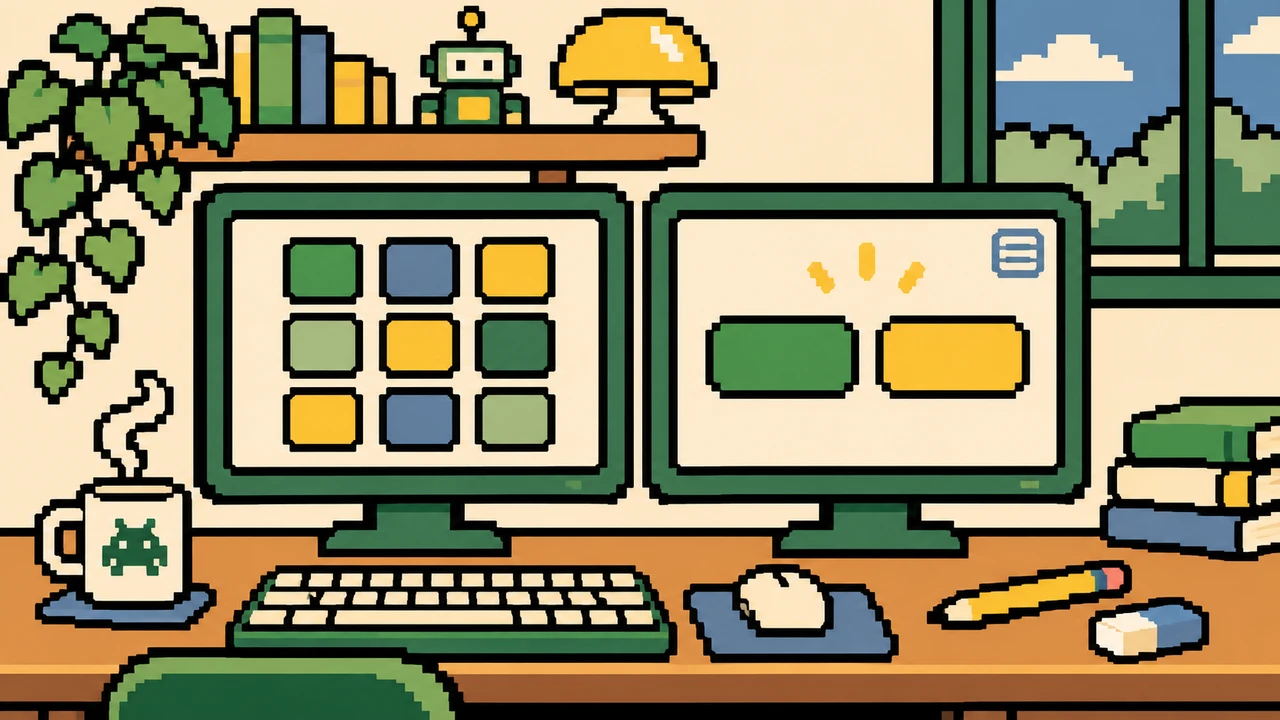
In the session, I used a teaching example with nine controls on a screen: export, filter, bulk edit, share, duplicate, archive, tag, comment, and settings. The feature list was complete, with everything someone had requested visible at once. But a person arriving to do one job would still have to sort through all nine actions before choosing the one they needed.
The other version of the exercise kept export and filter visible and put the remaining actions inside a small menu. That made a choice about which actions deserved attention first. The features were still available, but they no longer all had to compete for space on the main screen.
That arrangement needs to follow an understanding of the user. You have to think about which actions they use most and what they came to do. Otherwise, making a screen look cleaner could leave an important action harder to find. Taste becomes useful when your choices help someone use the product, rather than simply make it look more like your preferences.
You may need to go back to the client and explain the arrangement too. The first version follows the requested list closely, while the second asks whether grouping the actions differently would make the work easier. Explaining that reasoning is part of helping the client consider a change instead of presenting it as something you happened to like better.
This is why I think about taste beyond the colors of a website. It shows up in how you group actions, what you make easy to find, and which details you decide to improve. AI gives you something to start with, and you still have to judge what belongs in the finished experience.
Toward the end of the session, I asked whether taste could be learned or whether it was something you were born with. I think we can learn it by exposing ourselves to different things and paying attention to what we like and dislike. The comparisons give us more to draw on when making a choice.
You can do that when reading a book, trying different tools, or using different AI models for a particular kind of problem. Notice what you agree with, which experience feels easier, or why one result works better for you. Then spend time understanding the detail behind that response so you can bring the observation into your own work.
I’m very technical, and I want to write code and build things too. I also want the finished result to show how I thought about the person using it. As more people get help building with AI, I think those deliberate choices become a more important part of what we contribute.